
Food safety and quality assurance are non-negotiable in the modern food industry—especially for high-risk categories such as dairy, meat, and seafood. These products are highly perishable, sensitive to contamination, and subject to strict regulatory oversight. To meet these demands, manufacturers increasingly rely on inline X-ray inspection systems to detect foreign contaminants, verify product integrity, and maintain consistent quality without interrupting production flow.
While X-ray inspection is widely used across food processing, dairy, meat, and seafood present unique challenges that require special system configurations, calibration approaches, and operational practices.
What Is Inline X-ray Inspection?
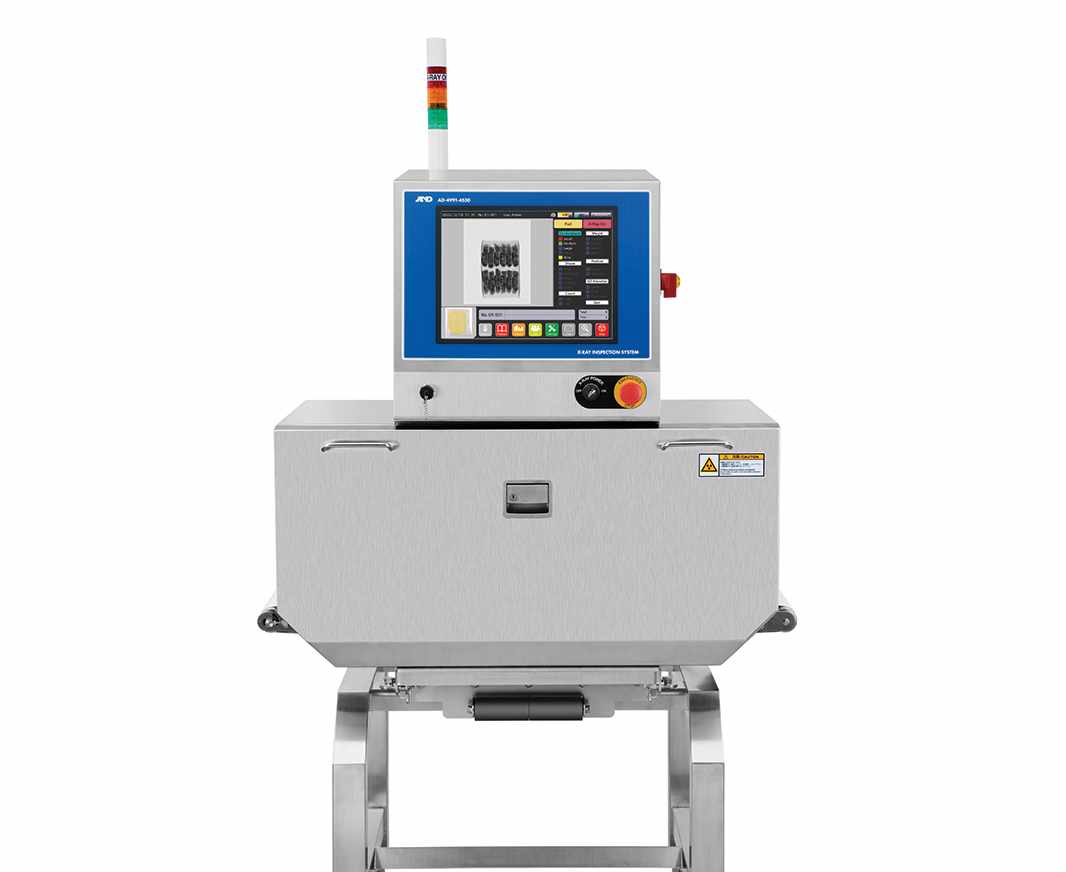
Inline X-ray inspection is a non-destructive testing method used directly on production lines to examine food products in real time. Unlike metal detectors, X-ray systems can detect a wide range of contaminants and defects by identifying density differences within a product.
Inline X-ray inspection systems are commonly used to detect:
Metal (ferrous and non-ferrous)
Glass
Stones and mineral fragments
Dense plastics and rubber
Bone fragments
Product defects such as missing items, broken pieces, or fill-level inconsistencies
Because inspection happens inline, products do not need to be removed from the production process, ensuring high throughput and minimal downtime.
Why Dairy, Meat, and Seafood Require Special Attention
Dairy, meat, and seafood products differ significantly from dry or packaged goods. Their high moisture content, variable density, organic structure, and temperature sensitivity create unique inspection challenges that must be carefully managed to ensure accurate detection and minimal false rejects.
Inline X-ray Inspection in Dairy Processing
Key Challenges in Dairy Products
Dairy products such as cheese, yogurt, butter, milk powders, and ice cream often have:
High moisture and fat content
Soft or semi-solid textures
Variations in density due to air pockets or inclusions
These factors can make it difficult to distinguish contaminants from the product itself.
Special Considerations for Dairy X-ray Inspection
Density Variability
Cheese blocks and yogurts may contain natural density variations. X-ray systems must be finely tuned to avoid false positives while still detecting contaminants like glass or metal.Packaging Materials
Dairy products are often packaged in foil-lined cartons, plastic tubs, or laminated films. X-ray inspection works effectively through these materials, unlike metal detection, making it ideal for dairy packaging lines.Cold and Wet Environments
Dairy processing areas are frequently chilled and washed down regularly. X-ray systems must be IP-rated for washdown environments and designed to withstand condensation.Fill-Level and Integrity Checks
Inline X-ray inspection can verify correct fill levels, detect missing components (such as lids or seals), and identify damaged packaging—helping prevent customer complaints and costly recalls.
Inline X-ray Inspection for Meat Processing
Unique Risks in Meat Products
Fresh and processed meats pose some of the highest food safety risks due to:
Bone fragments
Metal shavings from cutting equipment
Product inconsistency
High bacterial contamination risks
Special Considerations for Meat X-ray Systems
Bone Detection
One of the biggest advantages of X-ray inspection in meat processing is the ability to detect calcified bone fragments, which food metal detectors cannot identify. Advanced algorithms are required to differentiate bones from dense meat tissue.Product Shape and Density Variation
Meat cuts vary in size, thickness, and density. Inline X-ray systems must adapt to these variations without compromising detection sensitivity.High-Speed Production Lines
Meat processing often involves fast conveyor speeds. X-ray systems must provide high-resolution imaging without slowing production.Hygienic Design and Washdown Capability
Meat plants require frequent sanitation. X-ray equipment must be designed with stainless steel housings, smooth surfaces, and full washdown compliance to meet hygiene standards.
Inline X-ray Inspection in Seafood Processing
Inspection Challenges in Seafood
Seafood products—such as fillets, prawns, shellfish, and frozen fish blocks—introduce additional complexity:
Natural bones and shells
Irregular shapes
Ice glazing and frozen coatings
High salt and moisture content
Special Considerations for Seafood X-ray Inspection
Bone and Shell Fragment Detection
Fish bones and shell fragments are common hazards. Food X-ray systems must be capable of detecting fine, low-density bones without excessive false rejects.Frozen and Glazed Products
Ice glazing can mask contaminants by creating uniform density layers. X-ray settings must be optimized to account for frozen conditions and ice thickness.Wet and Corrosive Environments
Seafood processing environments are often wet and saline, increasing corrosion risks. X-ray systems require corrosion-resistant materials and sealed electronics.Mixed Product Lines
Seafood processors often handle multiple species and product formats. Flexible X-ray systems with quick recipe changeovers help maintain efficiency.
Regulatory and Compliance Considerations
Inline X-ray inspection supports compliance with major food safety standards, including:
HACCP (Hazard Analysis and Critical Control Points)
BRCGS
SQF
FSANZ and FDA regulations
For dairy, meat, and seafood, X-ray inspection often serves as a critical control point (CCP). Systems must provide:
Audit-ready inspection records
Automatic reject confirmation
Secure data logging and reporting
Minimizing False Rejects While Maintaining Sensitivity
One of the biggest challenges across all three sectors is balancing detection sensitivity with operational efficiency.
Best practices include:
Product-specific calibration
Regular system validation using test samples
Operator training
Continuous performance monitoring
Advanced image-processing software and AI-based algorithms help improve accuracy while reducing unnecessary product waste.
Integration with Production Lines
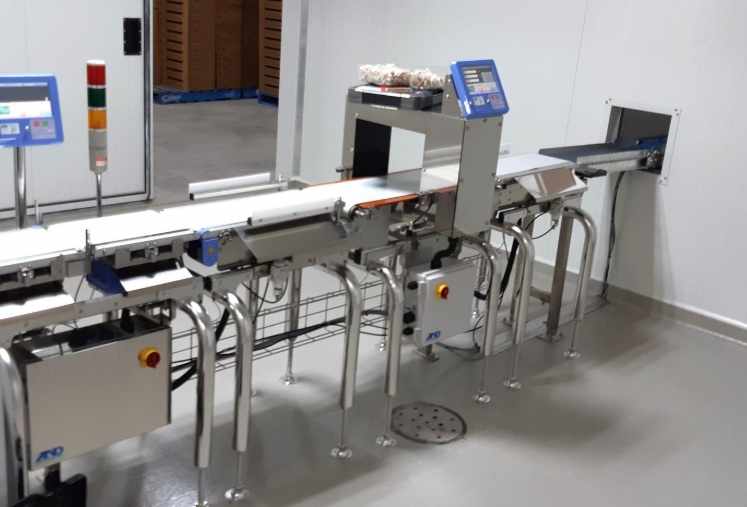
Inline X-ray systems can be integrated with:
Conveyor systems
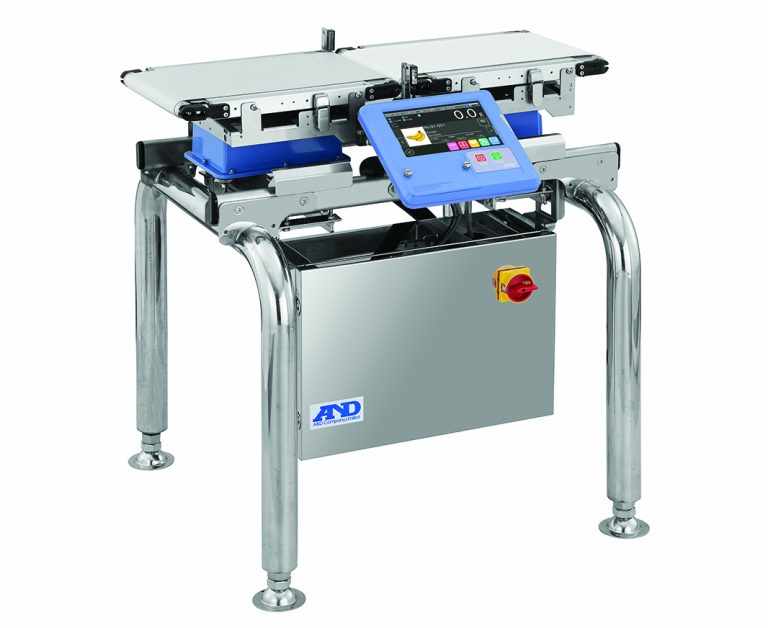
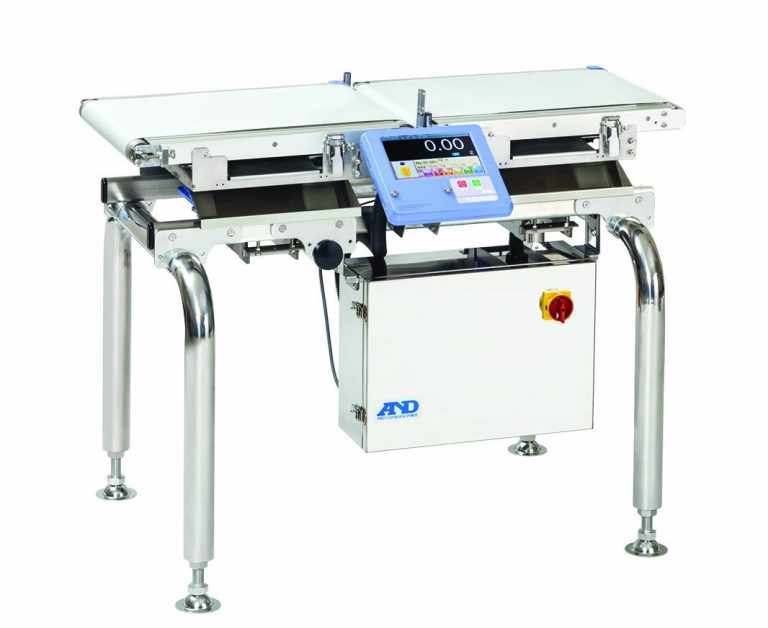
Checkweighers
Metal detectors
Packaging equipment
This integration allows manufacturers to perform multiple quality checks simultaneously, such as contaminant detection, weight verification, and product count—all in one inspection step.
Conclusion
Inline X-ray inspection has become an essential food safety and quality assurance tool for dairy, meat, and seafood processing. While the core technology remains the same, each sector presents unique challenges related to density variation, natural contaminants, environmental conditions, and regulatory requirements.
By selecting the right X-ray system and configuring it specifically for their products, manufacturers can:
Detect a wider range of contaminants
Reduce recall risks
Maintain regulatory compliance
Improve product consistency and consumer trust
In high-risk food categories where safety and brand reputation are paramount, inline X-ray inspection is not just a compliance tool—it is a strategic investment in long-term quality and operational excellence.



Write a comment ...