
In today’s competitive manufacturing environment, ensuring accuracy, efficiency, and compliance is more important than ever. Inline checkweighers play a crucial role in modern production lines, providing real-time weight monitoring to detect inconsistencies, reduce waste, and safeguard quality. Whether you’re in food, pharmaceuticals, cosmetics, or industrial manufacturing, integrating an inline checkweigher can significantly improve operational performance. This article explores the benefits of inline checkweighers, essential considerations for integration, and best practices to maximize their effectiveness.
What Is an Inline Checkweigher?
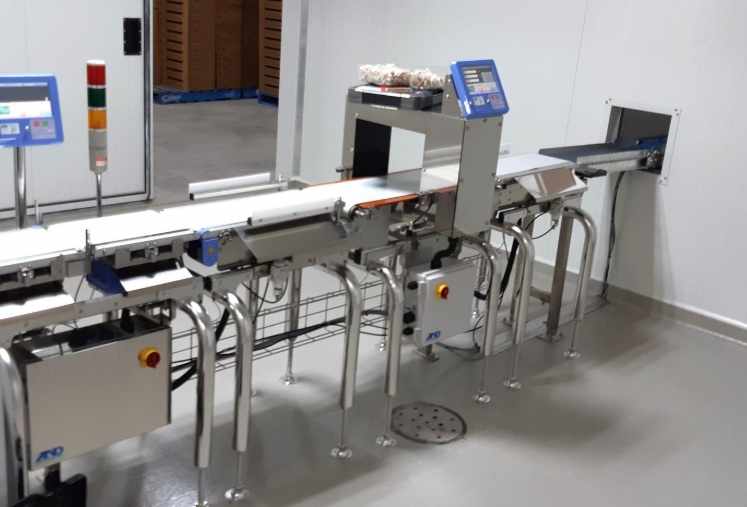
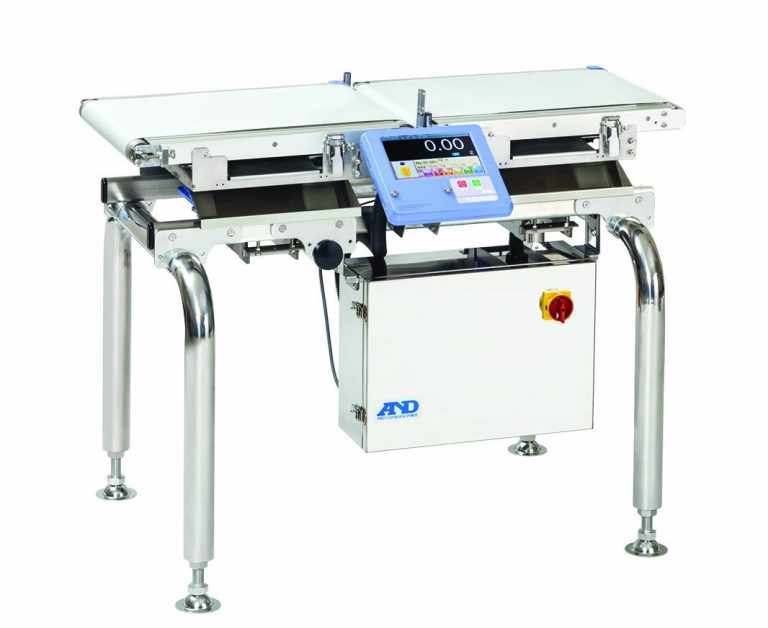
An inline checkweigher is an automated system that continuously weighs products as they pass along a conveyor belt. Unlike static scales, inline checkweighers are integrated directly into the production line, enabling 100% product inspection at high speeds. These systems automatically reject underweight, overweight, or non-compliant items, ensuring every product meets defined weight standards and regulatory requirements.
For industries like food processing, pharmaceuticals, and logistics, inline checkweighers not only ensure compliance with local and international regulations but also protect brand reputation by maintaining product consistency.
Why Integrate an Inline Checkweigher?
1. Quality Assurance and Compliance
Inline checkweighers are essential for meeting strict regulations such as HACCP, GMP, and retail packaging standards. By guaranteeing accurate product weights, they help avoid penalties, recalls, or consumer complaints.
2. Cost Savings
Overfilled packages increase material costs, while underfilled packages risk customer dissatisfaction. Inline checkweighers minimize both scenarios, leading to optimized resource usage and reduced waste.
3. Operational Efficiency
These systems allow production lines to run continuously without manual weight checks. This not only reduces downtime but also enables higher throughput and efficiency.
4. Data Collection and Traceability
Modern inline checkweighers collect real-time production data, which can be integrated into broader quality control and ERP systems. This allows manufacturers to monitor trends, identify bottlenecks, and implement continuous improvement.
Tips for Successfully Integrating Inline Checkweighers
Integrating an inline checkweigher into your production line requires more than simply placing the unit on a conveyor. To get the most from your investment, careful planning and execution are essential.
1. Assess Your Production Requirements
Start by evaluating your specific needs. Consider:
Product dimensions and weight range
Production speed (units per minute/hour)
Packaging type (bags, bottles, boxes, pouches)
Regulatory standards applicable to your industry
A thorough needs assessment will help you select the right model and configuration.
2. Choose the Right Location
Placement is critical for accuracy. Inline checkweighers should be installed in a stable section of the line with minimal vibration. Avoid areas near heavy machinery that may interfere with weighing accuracy. Ideally, place the checkweigher after filling and sealing, ensuring complete products are verified before reaching packaging or distribution.
3. Ensure Proper Conveyor Design
Conveyor design affects weighing performance. Smooth belt transitions, correct speed calibration, and consistent product spacing are vital. Installing product guides can help maintain proper alignment for more reliable measurements.
4. Integrate Reject Systems
An inline checkweigher is only effective if out-of-spec products are automatically removed. Integrating reject devices such as air jets, pushers, or drop flaps ensures non-compliant products don’t reach the customer. Choose a reject mechanism that suits your product type—gentle handling is important for fragile or delicate goods.
5. Calibrate Regularly
Calibration is essential for accuracy. Establish a regular calibration schedule and train staff to perform quick checks using test weights. Some advanced systems offer automatic calibration, further reducing the risk of human error.
6. Integrate With Quality Control Systems
Modern checkweighers can connect with SCADA, MES, or ERP systems, allowing data to flow seamlessly across departments. Integrating this data improves traceability, simplifies audits, and supports predictive maintenance by identifying weight trends before they become major issues.
7. Plan for Maintenance and Cleaning
Select checkweighers with hygienic designs if you operate in food or pharmaceutical sectors. Easy-to-clean surfaces, IP-rated enclosures, and tool-free belt removal help maintain compliance while reducing downtime. Routine maintenance schedules should be planned to prevent unexpected breakdowns.
8. Train Your Operators
Even the most advanced system requires skilled operators. Provide training so your staff understands how to set weight limits, interpret data, troubleshoot common errors, and perform routine maintenance. Well-trained operators can maximize efficiency and minimize downtime.
Best Practices to Maximize Inline Checkweigher Performance
Beyond integration, adopting best practices ensures you get the best long-term value.
1. Define Tolerances Clearly
Set realistic weight tolerances based on regulatory requirements and production capabilities. Overly tight limits may cause unnecessary rejects, while loose limits reduce quality assurance.
2. Use Trend Analysis
Leverage checkweigher data to identify production shifts. For example, if average weights begin trending upward, it may indicate an issue with the filler or packaging system. Adjusting early prevents costly waste.
3. Automate Feedback Loops
Many modern checkweighers can send automatic feedback to upstream filling machines. This closed-loop system ensures real-time corrections, maintaining consistent product quality without manual intervention.
4. Monitor Reject Rates
High reject rates can indicate equipment issues or operator errors. Regularly analyze reject data to identify root causes and implement corrective actions.
5. Perform Regular Audits
Schedule periodic performance audits using certified test weights. Audits confirm compliance with regulatory bodies and demonstrate commitment to quality control during inspections.
6. Plan for Scalability
Choose checkweighers that can adapt to future needs. Modular designs and upgrade options (e.g., metal detection or X-ray integration) allow your system to grow with your production requirements.
7. Focus on ROI
While the upfront investment in inline checkweighers may seem significant, the return comes from reduced product giveaway, minimized recalls, and improved efficiency. Track savings over time to measure ROI accurately.
Common Mistakes to Avoid
Ignoring Environment Factors: Temperature fluctuations, vibration, or air currents can affect weighing accuracy. Ensure environmental conditions are controlled.
Skipping Operator Training: A lack of training often leads to misuse and downtime.
Poor Maintenance Practices: Failing to clean or maintain the unit reduces accuracy and lifespan.
Overlooking Data Utilization: Collecting weight data is only valuable if it’s analyzed and used to improve processes.
Future of Inline Checkweighers
As Industry 4.0 and smart manufacturing evolve, inline checkweighers are becoming more intelligent. Features like AI-powered analytics, predictive maintenance, and enhanced connectivity are transforming these devices into central components of digital factories. The ability to integrate with IoT platforms and provide actionable insights in real time will make inline checkweighers even more valuable in years to come.
Conclusion
Integrating an inline checkweigher into your production line is more than a compliance measure—it’s a strategic move that enhances quality, efficiency, and profitability. By carefully assessing requirements, choosing the right system, ensuring proper installation, and following best practices, manufacturers can achieve consistent results while minimizing waste and operational costs.
As industries continue to face pressure from regulators, consumers, and competitors, inline checkweighers provide a reliable way to maintain high standards and protect brand reputation. Whether you’re upgrading an existing line or designing a new facility, making inline checkweighers part of your process is a step toward smarter, more sustainable manufacturing.



Write a comment ...