
In modern food production, safety and quality assurance are paramount. With consumer expectations rising and regulatory bodies demanding stricter compliance, food manufacturers are increasingly turning to advanced technologies to ensure product integrity. One such technology is X-ray food inspection, which has become a vital tool for detecting physical contaminants such as metal, glass, bone, and stone in packaged food.
However, despite its effectiveness, many people—both consumers and workers—have questions about safety. Is X-ray food inspection harmful to human health? Can radiation from these machines affect the food being scanned or the workers operating the equipment?
What Is X-ray Food Inspection?
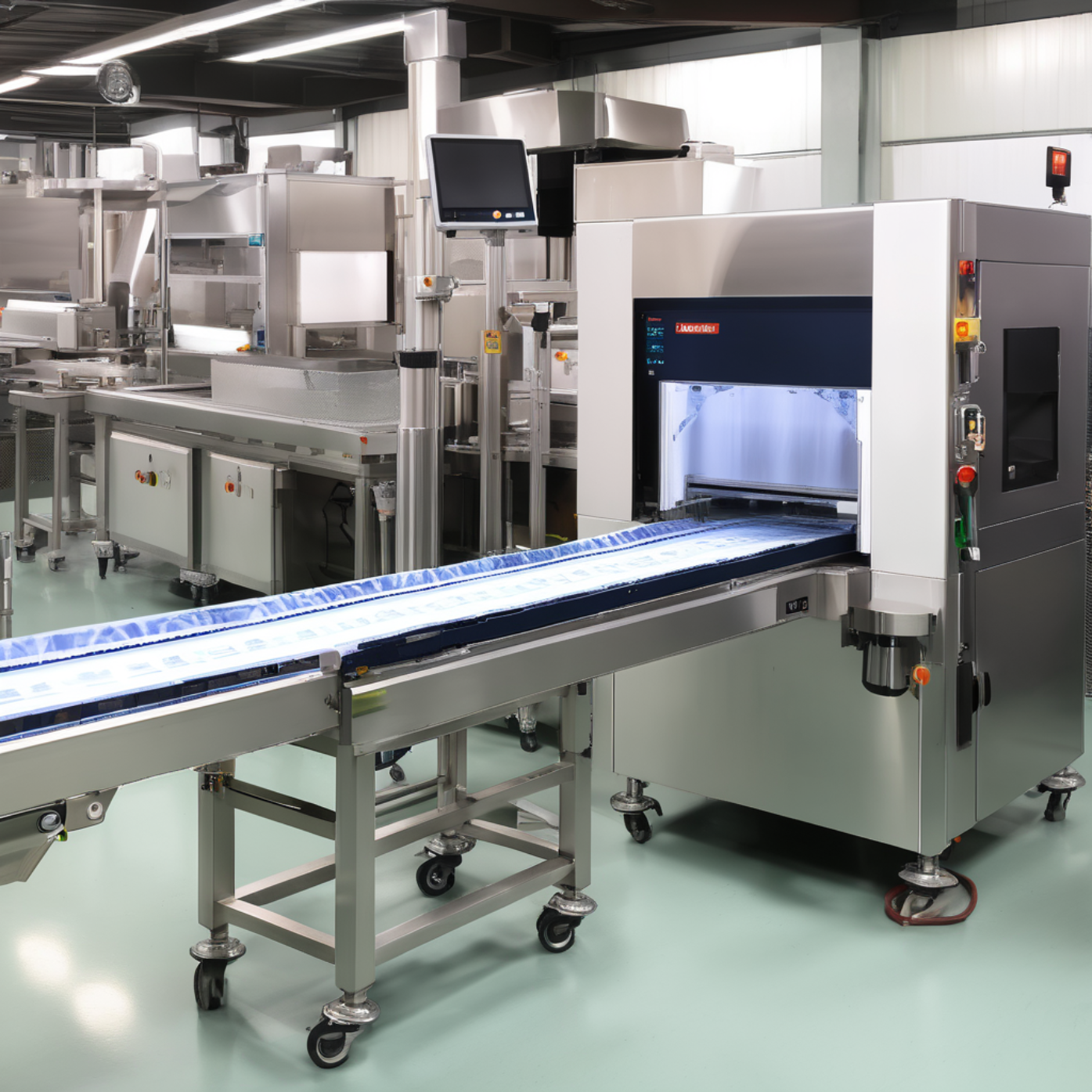
X-ray inspection systems work similarly to medical X-rays but are adapted for use in food manufacturing environments. The equipment sends a controlled, low-energy beam of X-rays through a product and captures the image on a detector. The system then analyzes the density differences within the item to identify any foreign materials.
Common contaminants detected include:
Metal fragments
Glass shards
Stones
Bone pieces
Rubber and plastic (in some cases)
X-ray inspection is especially useful in packaged foods where visual or metal detection is insufficient—such as with foil-sealed trays, jars, or multilayered packages.
Is X-ray Food Inspection Safe for Consumers?
1. X-ray Inspection Does Not Make Food Radioactive
A common misconception is that exposing food to X-rays might make it radioactive or harmful to eat. This is false. Unlike nuclear materials or gamma irradiation (used in some food sterilization), X-ray inspection involves non-ionizing exposure at very low doses.
X-rays pass through the product momentarily and do not leave any residual radiation. Once the product exits the machine, it is exactly the same—chemically and physically—as before. In fact, the amount of energy used in food inspection is significantly lower than that used in airport luggage scanners or even dental X-rays.
2. Regulatory Compliance and International Standards
X-ray food inspection systems are governed by strict international standards to ensure consumer safety:
Codex Alimentarius: Provides guidelines that affirm X-ray food inspection does not affect food safety or quality.
FDA (U.S.) and EFSA (EU): Both regulatory bodies endorse the use of X-ray systems in food inspection as safe and effective.
IEC 62471 and 61010: These standards govern the safe design and usage of electrical equipment, including food X-ray systems.
Manufacturers of X-ray inspection systems must meet rigorous certifications to ensure machines comply with exposure limits and shielding requirements.
3. Extremely Low Radiation Dose
To put the radiation levels in perspective:
A typical food X-ray inspection exposes a product to about 0.5 µSv (microsieverts) of radiation.
A dental X-ray: ~5 µSv
A chest X-ray: ~100 µSv
Natural background radiation (daily): ~8-10 µSv
This means the radiation dose from an X-ray food inspection is less than one-tenth of a dental X-ray and far below the level that could alter food or pose a health risk.
Is X-ray Food Inspection Safe for Workers?
1. Built-in Shielding and Interlocks
X-ray food inspection machines are designed with lead shielding, interlock systems, and automatic shutoff features to prevent any radiation leakage. When doors or covers are opened, the machine immediately shuts off, eliminating the risk of exposure.
These safety mechanisms ensure that even during maintenance or cleaning, workers are protected.
2. Continuous Monitoring
Most modern X-ray inspection units come equipped with radiation monitoring systems that continuously measure emissions and provide alerts in the rare event of a malfunction. These systems ensure that the area around the equipment remains well below the occupational exposure limits.
According to the International Commission on Radiological Protection (ICRP), the annual occupational radiation dose limit for workers is 20,000 µSv. In well-maintained facilities, employees working near X-ray food inspection equipment typically receive less than 100 µSv per year—comparable to what you’d receive on a transcontinental flight.
3. Proper Training and Safety Protocols
Operators receive training on how to safely use X-ray equipment, interpret results, and respond to alerts. Facilities also follow strict protocols for:
Safe installation and operation
Routine safety inspections
Radiation safety signage and protective measures
These protocols ensure a safe environment for all employees.
Benefits of X-ray Food Inspection Systems
Beyond safety, X-ray inspection offers many advantages for food manufacturers:
1. Detection Beyond Metal
Unlike traditional metal detectors, X-ray systems can detect non-metallic contaminants such as:
Glass from broken jars
Bones in boneless meats
Dense plastic fragments
Stone or grit in grains and nuts
This improves consumer protection and reduces the risk of costly recalls.
2. Quality Assurance
X-ray inspection can also be used to check:
Missing or broken products in multi-packs
Seal integrity in trays or pouches
Filling levels in liquid containers
These additional capabilities enhance product consistency and brand reputation.
3. Reduced Waste and Rework
Early detection of contamination means manufacturers can address problems before large batches are affected. This results in:
Reduced product giveaway
Less waste from rejected batches
Improved operational efficiency
Conclusion: Safe, Smart, and Essential
X-ray food inspection has become a cornerstone of modern food safety practices. With its unmatched ability to detect a wide range of contaminants and ensure product integrity, it plays a crucial role in protecting consumers and preserving brand trust.
Most importantly, X-ray inspection is completely safe—for both consumers and workers. Backed by international standards, scientifically validated methods, and cutting-edge safety designs, these systems provide peace of mind along with superior detection capabilities.
As food production continues to evolve, technologies like X-ray inspection not only help prevent contamination—they raise the bar for quality assurance across the entire industry.



Write a comment ...